Coquette Bow SVG Sublimation T-shirt: A Designer’s Review
As an embroidery designer who spends half my life staring at digitized paths and the other half testing them on actual fabric, I have developed a healthy skepticism toward trendy design assets. The "coquette" aesthetic—defined by softness, ribbons, bows, and a touch of vintage romance—has exploded in popularity recently. When I first pulled up the Coquette Bow SVG Sublimation T-shirt file, my immediate question was not just about its visual appeal, but its structural integrity for real-world application. Is this merely a pretty graphic for a screen print, or can it translate into a high-quality machine embroidery design that holds up under the needle?
First Impressions: Shape, Flow, and Visual Personality
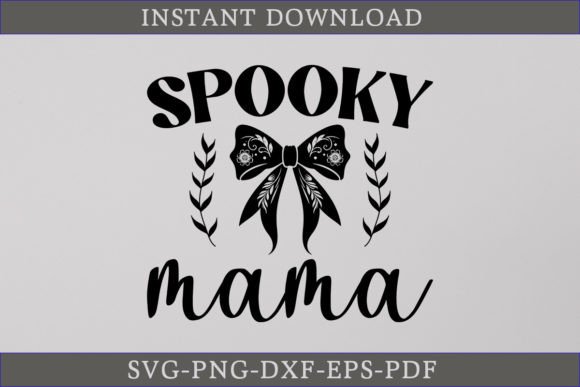
The initial load of the file reveals a clean, vector-based structure. The description notes that the design is made with 100 vector shapes, which is a promising sign for scalability. In the world of Crafts and digital Graphics, clean vectors mean you can resize without losing edge definition. For an embroidery project, this is crucial. A bow is deceptively simple; if the curves are jagged or the proportions are off, the final stitched product looks amateurish.
The mood here is undeniably feminine and playful. It captures that specific soft-girl energy that is dominating current fashion trends. However, from a technical standpoint, I look at the loops and tails. Are they too thin? Will they collapse into a dense knot of thread? The layout suggests a balanced composition, with enough negative space to allow the fabric texture to breathe. This is vital for maintaining the delicate feel of the coquette style. If the design were too dense, it would lose its airy charm and become a stiff patch on the garment.
Real-World Application: From Digital File to Finished Product
To truly evaluate the Coquette Bow SVG Sublimation T-shirt asset, I mentally placed it into several common production scenarios. Let’s consider a custom sweatshirt embroidery project. A oversized, cream-colored fleece sweatshirt is the perfect canvas. The bow, placed slightly off-center on the chest or near the cuff, adds a boutique touch that elevates a basic garment into a personalized gift or a high-margin Etsy seller item.
I also considered its use on a canvas tote bag design. Here, the durability of the stitch becomes paramount. Because the file includes AI, EPS, SVG, and PNG formats, it offers flexibility. While the SVG and vector files are ideal for cutting machines or sublimation printing, an embroiderer must ensure the design is properly digitized for stitching. If you are using this as a reference for manual digitizing, the clear lines make tracing paths for satin stitch borders and fill stitch interiors straightforward. For a small shop product, consistency is key, and having a master vector file ensures your branding remains sharp across different media.
The Baby and Nursery Market
Another strong contender for this design is baby embroidery. Think of a muslin swaddle or a onesie. The soft, rounded nature of the bow fits perfectly with nursery aesthetics. However, this brings us to a critical point of caution: fabric choice. On thin, stretchy knits, a heavy bow design can pucker the fabric. If you are adapting this graphic for embroidery, you must adjust your stitch density and use a high-quality cut-away stabilizer to support the weight of the thread.
Technical Considerations and Stitching Clarity
One of the most important aspects of reviewing any digital embroidery file or graphic asset is understanding its limitations. The product description highlights that colors are easy to change. This is excellent for thread colors customization. You might want a pastel pink for a spring collection or a deep burgundy for holiday holiday embroidery releases. However, ease of color change in a vector file does not automatically translate to ease of stitching.
If you are converting this SVG into an embroidery format, pay close attention to the corners of the bow tails. Sharp corners in vector graphics often result in bulky thread builds if not handled correctly with proper underlay stitches. I recommend running a test on scrap fabric that matches your final product’s weight. Check how the running stitch outlines hold up against the fill. If the design is intended for sublimation, the PNG file provided will be essential for heat transfer, offering a crisp edge that doesn’t bleed into the fabric fibers.
Where to Use Caution
While the Coquette Bow SVG Sublimation T-shirt design is versatile, it is not universal. I would advise against placing this on highly textured fabrics like thick terry cloth towels unless the design is significantly enlarged. The details may get lost in the pile of the towel. Similarly, on dark fabrics, if you are embroidering, you need to ensure your thread contrast is high. A white bow on black cotton works; a light gray bow on navy might vanish.
Curved surfaces, such as caps or hats, present another challenge. The bow’s symmetry needs to align perfectly with the curve of the cap’s front panel. If the design is too wide, it will distort when hooped. Always check your hoop size constraints. For smaller hoops, you may need to isolate just the central knot of the bow, sacrificing the tails for fit. This is where having the editable AI or EPS file is invaluable—you can modify the layout before committing to the stitch file.
Enhancing Brand Value and Customer Trust
For creative entrepreneurs and craft business owners, the quality of your design assets directly impacts perceived value. A sloppy, pixelated, or poorly proportioned bow signals low effort. Conversely, a crisp, well-balanced coquette bow suggests attention to detail. When customers see a clean finished product, whether it is an embroidered patch on a denim jacket or a sublimated print on a tee, they trust the maker’s skill.
This design fits seamlessly into a broader brand identity focused on femininity and care. It works well for wedding gifts, bridesmaid proposals, or boutique branding where softness is a key selling point. Using a consistent graphic style across your printable mockup listings and actual products helps build recognition. Buyers engage more with listings that show a clear vision, and this bow provides a strong visual anchor for that vision.
Practical Designer Notes for Implementation
Before you list this as a commercial embroidery item or use it in client work, take these practical steps:
- Verify Licensing: The description mentions file types but does not explicitly state commercial usage rights for the stitched output. Always confirm whether you can sell finished items made with this design.
- Test Stitch Density: If digitizing from the SVG, start with lower density fills to prevent fabric distortion, especially on lightweight cottons.
- Check Contrast: Create black and white mockups to ensure the shape reads clearly without color reliance. This helps in assessing the silhouette’s strength.
- Fabric Compatibility: Test on both woven and knit fabrics. The behavior of the bow’s tails will differ significantly between a stable linen and a stretchy jersey.
- Stabilizer Selection: Match your stabilizer to the fabric. A tear-away might suffice for sturdy denim, but a cut-away is necessary for stretchy custom apparel to maintain shape after washing.
In conclusion, the Coquette Bow SVG Sublimation T-shirt package offers a solid foundation for designers looking to tap into the current trend cycle. Its vector-based construction allows for the flexibility needed in both sublimation and embroidery workflows. However, its success relies on the maker’s ability to adapt the graphic to the physical constraints of thread and fabric. By respecting the material limits and focusing on clean execution, this design can become a staple in your small shop product lineup, delivering both aesthetic charm and professional quality.