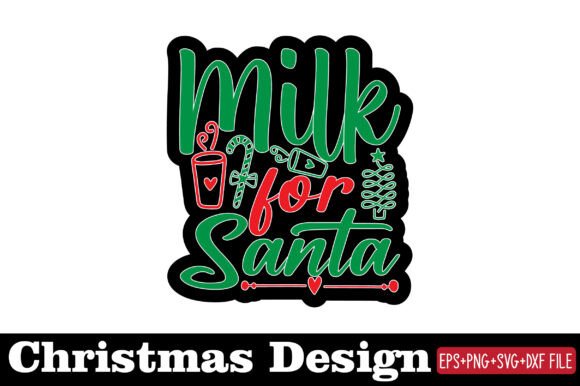
Review: Christmas Sticker, Milk for Santa Embroidery Design
As an embroidery designer who has spent years digitizing patterns and testing them on everything from flimsy cotton to heavy denim, I approach every new machine embroidery design with a critical eye. It is not just about whether the image looks cute on a screen; it is about how those lines translate into thread, how the tension holds up after washing, and whether the final finished product feels premium enough to sell. Recently, I evaluated the Christmas Sticker, Milk for Santa design, a piece categorized under Crafts and Graphics, to see if it holds up in real-world applications.
The first impression of this design is its charming simplicity. It captures that nostalgic, cozy feeling of leaving a treat out on Christmas Eve. The layout is compact and self-contained, which immediately suggests versatility. For those of us running a craft business or selling as an Etsy seller, versatility is currency. You do not want a design that only works on one specific item. This particular embroidery file feels like it was created with modern merchandising in mind, offering a visual personality that is playful yet clean.
Real-World Application: The Holiday Tote Bag Test
To truly understand the value of this design, I simulated a common project scenario: creating a custom holiday gift set. I chose a natural canvas tote bag design as my test subject. Canvas is unforgiving; it shows every gap in stitching and every pull in the fabric. When I loaded the Christmas Sticker, Milk for Santa into my software, I paid close attention to the stitch paths.
The design features elements that likely rely on a mix of satin stitch for borders and text, and fill stitch for any solid areas like the milk bottle or cookie shapes. On the tote bag, the contrast between the white thread (representing the milk) and the natural beige canvas was striking. However, this is where practical judgment comes in. If you are using this on a dark fabric, such as a navy blue sweatshirt, you must ensure your white thread is high-quality polyester or rayon to prevent breakage and maintain brightness. The design’s clarity allows it to pop, but only if the thread colors are chosen with intention.
Versatility Across Products and Fabrics
One of the strongest aspects of this digital embroidery file is its adaptability. While the product description notes it can be printed on various surfaces, as embroiderers, we know that stitching requires different considerations than printing. Here is how I see this design performing across different embroidery projects:
- Sweatshirt Embroidery: The design’s bold lines work well on fleece or French terry. The texture of the fabric hides minor imperfections, making it a safe bet for beginners.
- Baby Embroidery: For onesies or bibs, the "Milk for Santa" theme is adorable. However, you must check the stitch density. If the design is too dense, it can make the fabric stiff and uncomfortable against a baby’s skin. Always use a soft cut-away stabilizer for these items.
- Embroidered Patch: This design is ideal for creating iron-on patches. The contained shape means you can easily satin stitch around the entire perimeter, creating a professional edge that prevents fraying.
- Custom Apparel: Whether it is a matching family pajama set or a boutique apron, the design adds a personalized touch without overwhelming the garment.
For small shop product lines, consistency is key. This design fits seamlessly into a broader collection of holiday embroidery assets. It does not look out of place next to traditional snowflakes or reindeer, yet it offers a unique narrative element that customers love for personalized gift giving.
Technical Considerations and Potential Pitfalls
While the design is appealing, there are areas where caution is necessary. As a reviewer, I must highlight where things could go wrong if you rush the process.
Small Hoop Sizes and Detail Loss: If you plan to stitch this in a 4x4 inch hoop, ensure that any tiny details, such as small text or intricate outlines, are not lost. Tiny lettering can become illegible if the running stitch or satin columns are too narrow. I recommend zooming in at 100% in your embroidery software to inspect the smallest elements. If they look pixelated or too close together, consider resizing the design slightly larger or simplifying the stitch count if you have editing capabilities.
Fabric Texture and Stability: Textured fabrics like waffle knit or heavy linen can distort designs. The Christmas Sticker, Milk for Santa relies on clear shapes. If the fabric shifts during stitching, the alignment between color blocks may slip. Always hoop your fabric tightly and use the appropriate stabilizer. For stretchy fabrics like jersey knits used in t-shirts, a tear-away stabilizer might not be enough; consider a light cut-away to maintain shape over time.
Curved Surfaces: Stitching on caps or curved hats requires careful placement. The center of the design should align perfectly with the cap’s center seam. Because this design is relatively compact, it is suitable for caps, but avoid placing it too close to the brim where the curvature is most extreme, as this can cause puckering.
Enhancing Visual Appeal and Brand Value
From a business perspective, how does this design affect your brand? A well-executed handmade product builds customer trust. When a buyer sees clean stitches, proper tension, and a design that sits flat on the fabric, they perceive higher value. The Christmas Sticker, Milk for Santa design, when stitched correctly, contributes to a professional presentation.
For commercial embroidery clients, this design can be a standout item in a seasonal catalog. It appeals to emotions—nostalgia, warmth, and family tradition. This emotional connection drives buyer engagement. Furthermore, using this design in your printable mockup previews can help online shoppers visualize the final product. Ensure your mockups show the texture of the thread, not just a flat digital image, to set realistic expectations.
Practical Designer Notes for Best Results
Before you commit to stitching this on a final garment, follow these steps to ensure quality:
- Test on Scrap Fabric: Always run a test stitch-out on the same type of fabric you intend to use for the final product. This helps you identify any tension issues or registration errors.
- Check Thread Contrast: View your design in black and white mode in your software. If the different elements blend together, you may need to adjust thread colors to ensure distinct separation.
- Verify Licensing: The product description mentions various themes and uses, but it is crucial to confirm the license terms. Can you sell finished items made with this design asset? Are there restrictions on digital redistribution? Always clarify this before listing items on Etsy or other marketplaces.
- Inspect Stitch Density: If the design feels too stiff after stitching, you may need to reduce the density in your software or choose a lighter weight fabric.
- Compare Backgrounds: Test the design on both light and dark fabrics. You may need to add an underlay or change thread shades to maintain visibility on darker materials.
In conclusion, the Christmas Sticker, Milk for Santa is a strong contender for your holiday lineup. It balances charm with practicality, making it suitable for a wide range of custom apparel and home decor items. By paying attention to technical details like stabilizer choice, thread quality, and fabric compatibility, you can transform this digital file into a high-quality finished product that delights customers and enhances your reputation as a skilled maker. Whether you are creating a single personalized gift or stocking your small shop for the season, this design offers the flexibility and appeal needed to succeed in today’s creative marketplace.