Reviewing Christmas Sticker, Hello Winter for Embroidery
As a designer who has spent years translating digital concepts into thread, I approach every new machine embroidery design with a mix of curiosity and caution. We have all been there: you download a file that looks stunning on screen, only to find it turns into a puckered mess or an illegible blob once it hits the fabric. That is why I took a close look at Christmas Sticker, Hello Winter before committing it to any client project or personal embroidery project. This piece falls under the broad categories of Crafts and Graphics, but its true test lies in how it performs under the needle.
First Impressions: Mood and Visual Personality
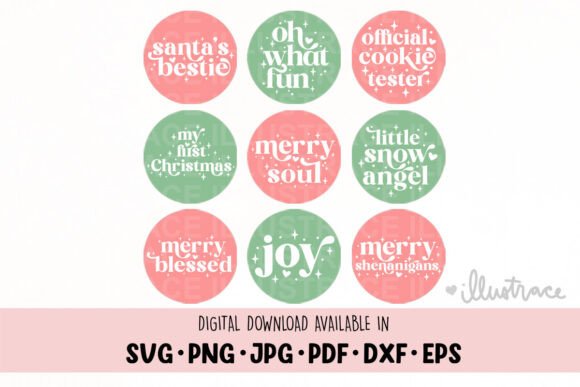
The first thing that strikes me about Christmas Sticker, Hello Winter is its playful, sticker-like aesthetic. It does not try to be a hyper-realistic winter landscape or a traditional, ornate holiday crest. Instead, it leans into a modern, graphic style that feels approachable and fresh. The layout suggests a balance between bold shapes and negative space, which is crucial for embroidery. In digital design assets, complex gradients can hide poor structure, but in stitching, every line must have purpose.
The theme evokes a cozy, welcoming vibe. It feels less like a formal holiday greeting and more like a friendly nod to the season. This makes it versatile. It is not limited to December 25th; it bridges the gap between late autumn chill and the deep freeze of January. For a craft business owner, this extended relevance is gold. You are not just selling a Christmas item; you are selling a winter mood.
Real-World Application: The Tote Bag Test
To truly evaluate this embroidery file, I imagined a specific use case: a custom canvas tote bag for a local boutique. Canvas is a sturdy fabric, but it has a distinct weave that can swallow fine details if the stitch density is too low. I visualized placing Christmas Sticker, Hello Winter on the front panel. Because the design appears to have solid areas and clear outlines, it should hold up well against the texture of cotton canvas.
If I were stitching this for a personalized gift, I would likely choose a cream or natural-colored bag to let the thread colors pop. The "sticker" style implies a slight drop shadow or border effect, which translates beautifully into satin or fill stitches. It creates a dimensional look that mimics the original graphic intent. For an Etsy seller, this kind of visual clarity is essential. Customers scrolling through thumbnails need to instantly recognize the design. A muddy or overly dense stitch pattern fails that test, but this design’s open, graphic nature suggests high readability even from a distance.
Fabric Considerations and Stitch Behavior
While the design looks promising on canvas, I would exercise caution with thinner fabrics. If you plan to use this on a lightweight t-shirt or a silk blend, the stabilizer choice becomes critical. A cut-away stabilizer would be my go-to to prevent distortion, especially if the design includes larger filled areas. The term "sticker" often implies a solid block of color, which in embroidery means a fill stitch. If the fill is too dense, it can stiffen the fabric, making a soft sweatshirt feel rigid around the chest area.
For sweatshirt embroidery, however, this stiffness can sometimes be desirable as it adds structure to the fleece. I would recommend testing the design on a scrap piece of the same fabric weight you intend to use. Check how the thread colors interact with the fabric hue. Dark fabrics require careful planning; if the design relies on subtle shading, it might get lost on black navy. In such cases, adding a white underlay or choosing high-contrast thread shades is necessary to maintain the integrity of the finished product.
Challenges with Small Hoops and Curved Surfaces
One practical limitation to consider is hoop size. If Christmas Sticker, Hello Winter is scaled down for a baby hat or a small embroidered patch, the finer details might merge. Satin stitch widths have a minimum threshold before they become unstable. If the design includes tiny text or intricate corners, shrinking it below a certain point could result in thread breaks or poor coverage. I always advise checking the smallest recommended hoop size before purchasing or using a digital embroidery file for small items like caps.
Curved surfaces, such as baseball caps, present another challenge. The design needs to sit flat without warping. If the graphic has a wide horizontal span, it might distort over the curve of a cap front. In such scenarios, breaking the design into smaller elements or choosing a vertical orientation might yield better results. For baby embroidery on onesies, ensure the placement avoids areas where snaps or seams interfere with the hooping process.
Commercial Viability and Brand Consistency
For commercial embroidery professionals, consistency is key. When you sell a small shop product, customers expect the same quality across different items. Does Christmas Sticker, Hello Winter look as good on a tote bag design as it does on a mug print? The product description mentions versatility across paper, fabric, and canvas. From an embroidery standpoint, this suggests the vector or source art is clean. Clean lines translate well to stitches.
Using this design in a printable mockup before stitching can save time and materials. Create digital previews on various backgrounds to gauge customer interest. If you are building a holiday collection, this design fits well alongside other modern, minimalist winter motifs. It appeals to a younger demographic that prefers contemporary holiday embroidery over traditional red-and-green clichés. This can help differentiate your brand in a saturated market.
Practical Designer Notes for Best Results
Before you load this design into your machine, keep these technical checks in mind:
- Test on Scrap Fabric: Always stitch out a sample on the actual material you plan to use. This reveals issues with tension, density, and color contrast.
- Check Thread Contrast: Ensure your thread choices provide enough distinction between elements. If the design relies on subtle shifts, use matte threads to reduce glare and enhance definition.
- Review Stitch Density: If the file allows for editing, check the density settings. Lowering the density slightly can soften the hand feel on garments without sacrificing visual impact.
- Confirm Licensing: Since this is a graphics product intended for merchandising, verify the license terms. Can you sell finished items? Are there restrictions on digital redistribution? Never assume; always read the fine print to protect your craft business.
- Inspect Small Details: Zoom in on the digital preview. Look for tiny isolated stitches or narrow columns that might cause threading issues. These can often be merged or removed in editing software.
In conclusion, Christmas Sticker, Hello Winter offers a charming, modern aesthetic that suits a wide range of handmade products. Its strength lies in its graphic clarity and seasonal versatility. By paying attention to fabric choice, stabilizer support, and scale, you can transform this digital asset into a high-quality physical item that delights customers. Whether for a custom apparel line or a unique personalized gift, this design holds promise for those who value both style and stitch integrity.