Strawberry SVG: A Designer’s Real-World Embroidery Review
As a designer who spends half my life digitizing and the other half stitching, I have learned to look past the glossy preview images. When I first opened the Strawberry Svg, Strawberry Cut File, my immediate reaction was not just about the cut lines for vinyl or paper crafts, but how those clean vector paths would translate into thread. In the world of Crafts and Graphics, a file that looks crisp on a screen can sometimes become a tangled mess under the needle if the geometry isn’t right. This review breaks down how this specific design performs when moved from digital asset to tangible, stitched reality.
First Impressions: Shape, Mood, and Visual Personality
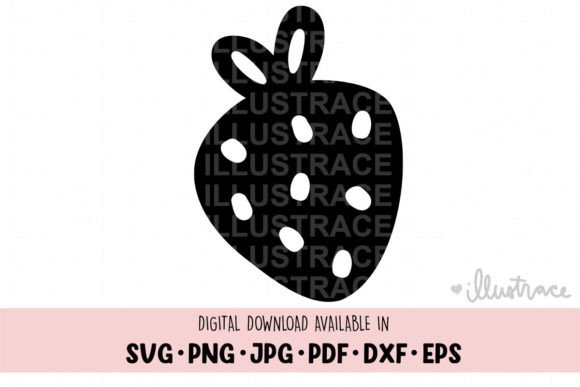
The initial appeal of the Strawberry Svg, Strawberry Cut File lies in its balanced simplicity. It avoids the overly complex shading that often plagues fruit designs, opting instead for a recognizable silhouette with defined leaf structures. For an embroidery designer, this is promising. Complex gradients do not translate well to thread without thousands of stitches, which can make a design stiff and heavy. This design feels airy yet substantial.
The mood is undeniably cheerful and fresh. It evokes thoughts of summer markets, picnic blankets, and homemade jams. Visually, the layout suggests versatility. It is not so detailed that it requires a massive hoop, nor so simple that it looks amateurish. This visual personality makes it a strong candidate for projects where warmth and approachability are key, such as nursery decor or boutique kitchen textiles.
Real-World Application: From Digital File to Finished Product
To truly test the viability of any machine embroidery design, you must imagine it on actual products. I recently considered this design for a custom order involving a set of canvas tote bags for a local farmer’s market vendor. The client wanted something that screamed "fresh produce" without being cluttered. The Strawberry Svg, Strawberry Cut File fit this brief perfectly.
When applied to a tote bag, the design’s clear outlines allow for bold thread colors. A bright red satin stitch for the body and a vibrant green for the leaves create high contrast against natural canvas. Because the shape is organic, it forgives minor tension issues that might be more visible in geometric designs. I also envision this working beautifully as sweatshirt embroidery. Placed on the left chest area, it serves as a subtle brand mark for a cafe or a cute accent for a personal wardrobe. The scale is adaptable, making it suitable for both large statement pieces and small, delicate accents.
For Etsy sellers and small shop product creators, this type of design assets is gold. It appeals to multiple niches: the baby embroidery market for onesies, the holiday embroidery crowd for Valentine’s Day gifts, and the general home decor sector for pillow covers. Its versatility increases the potential return on investment for the designer.
Technical Considerations for Stitching Success
While the vector file is clean, translating a digital embroidery file concept into stitches requires careful planning. Since this is primarily marketed as an SVG and cut file, users intending to embroider must ensure they have the correct digitized version or convert it properly. If you are working from a converted file, pay close attention to stitch density.
Fruit designs can easily become too dense if the red fill is packed too tightly. A heavy fill stitch on a strawberry can cause puckering, especially on lighter fabrics. I recommend using a moderate density with a slight texture to mimic the seeds, rather than trying to stitch every single seed individually. Using a running stitch for the outline and a satin stitch for the leaves can add nice textural contrast.
Stabilizer choice is critical here. For stretchy fabrics like t-shirts or baby clothes, a cut-away stabilizer is non-negotiable to prevent the design from distorting after washing. For stable fabrics like denim or canvas tote bags, a tear-away may suffice, but always test first. The curvature of the strawberry shape means that if the fabric pulls even slightly, the roundness will look warped.
Where to Use Caution: Fabric and Hoop Constraints
Not every project is a good fit for this design. While the Strawberry Svg, Strawberry Cut File is versatile, it has limitations. Avoid using it on very thin, slippery fabrics like silk or chiffon unless you are an experienced handler of difficult textiles. The weight of the threads can overwhelm delicate fibers, causing sagging.
Additionally, be mindful of hoop size. If you are shrinking the design to fit a tiny hoop for a patch or a collar tip, the details of the leaves may merge. Tiny lettering or intricate leaf veins can disappear if the design is scaled down too far. Always check the legibility of the smallest elements before committing to the final stitch-out. On dark fabrics, ensure your red thread has enough sheen or brightness to stand out; a matte red might get lost against black or navy cotton.
Enhancing Brand Value and Customer Trust
For commercial embroidery and craft business owners, the quality of your design directly impacts perceived value. A clean, well-executed strawberry motif signals professionalism. It shows that you care about the aesthetics of your handmade product. Customers are drawn to items that look polished and intentional. A sloppy or poorly digitized fruit design can make a personalized gift look cheap, whereas a crisp, vibrant execution elevates it to a boutique-level item.
Consistency is key. If you use this design across a line of products—say, matching aprons and tea towels—it helps build brand recognition. The friendly, approachable nature of the strawberry theme fosters an emotional connection with buyers, making it an excellent choice for gifts that convey care and warmth.
Practical Designer Notes for Best Results
Before you list this as a printable mockup or start stitching your inventory, follow these practical steps:
- Test on Scrap Fabric: Never skip this step. Stitch the design on the same type of fabric you plan to use for the final product to check for puckering or thread breaks.
- Check Thread Contrast: View your design in black and white. If the shapes blend together, you need higher contrast between your thread choices or background fabric.
- Verify Licensing: Since this file is marketed for various uses including vinyl and scrapbooking, confirm the license terms for commercial embroidery. Ensure you are allowed to sell finished physical items made with the digitized version.
- Inspect Small Details: Zoom in on the leaf tips. If they are too sharp, they may fray. Consider rounding them slightly in your digitizing software for durability.
- Mockup Variations: Create previews on both light and dark backgrounds. This helps customers visualize the finished product and reduces hesitation during purchase.
In conclusion, the Strawberry Svg, Strawberry Cut File is a robust asset for designers who understand how to bridge the gap between vector graphics and textile art. With proper attention to stitch density, stabilizer selection, and fabric choice, it can become a staple in your repertoire of reliable, best-selling designs. It is not just a cut file; it is a foundation for creating tangible joy through thread.