Happy Camper SVG: A Designer’s Review for Embroidery
As a designer who spends half my life digitizing and the other half stitching, I have learned that not every cute graphic translates well to thread. We often browse marketplaces looking for that perfect machine embroidery design, hoping it will elevate our next product line. Recently, I downloaded the Happy Camper - Camping SVG to test its viability for a small batch of custom orders. My goal was simple: determine if this asset holds up under the needle or if it remains merely a pretty picture on a screen.
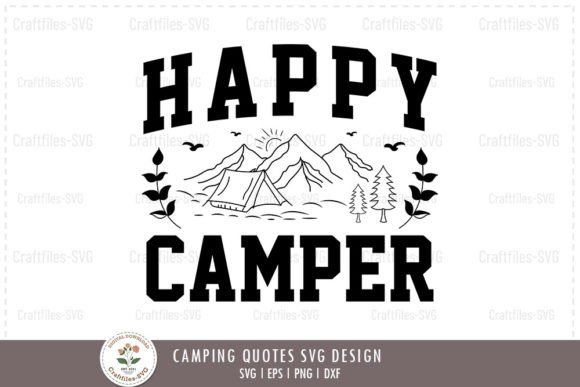
The first impression of the Happy Camper - Camping SVG is undeniably charming. It captures that nostalgic, outdoor-loving spirit that resonates deeply with current trends in handmade goods. The layout is balanced, with a clear focal point that draws the eye immediately. For those of us in the Crafts and Graphics space, we know that visual personality is half the battle. This design feels approachable and warm, making it an ideal candidate for personalized gifts and boutique merchandise. However, charm alone does not make a successful embroidery project. We must look deeper at how the shapes and lines behave when converted from vector paths to physical stitches.
Real-World Application: The Tote Bag Test
To give this review practical weight, I decided to use the design for a set of canvas tote bags intended for a local outdoor gear shop. This is a common scenario for many Etsy sellers and small shop product creators. The client wanted something rugged yet friendly, and the camping theme fit perfectly. I imported the SVG file into my digitizing software to inspect the node structure before sending it to the machine.
One of the immediate benefits of working with a high-quality digital embroidery file like this is editability. The description notes that you receive editable formats, including EPS and SVG. This is crucial for a professional workflow. I needed to adjust the scale slightly to fit a 5x7 hoop comfortably without losing detail. Because the lines are clean, resizing was straightforward. I did not encounter the jagged edges or broken paths that often plague lower-quality assets. This level of precision saves hours of cleanup time, allowing me to focus on stitch placement rather than fixing geometry.
Stitching Performance and Fabric Considerations
When moving from screen to fabric, the behavior of the design changes based on texture and tension. I tested the Happy Camper - Camping SVG on both heavy canvas and a softer cotton twill. On the canvas, the design held its shape beautifully. The open spaces within the camper illustration allowed the fabric texture to show through, creating a nice contrast between the thread and the material. This is essential for avoiding a "plastic" look where dense stitching stiffens the garment unnecessarily.
However, caution is required when working with stretchy fabrics or thin materials. If you are planning sweatshirt embroidery or baby embroidery on delicate knits, you must pay close attention to stitch density. While the SVG provides the outline, the conversion to satin or fill stitches is up to your digitizer or settings. I recommend using a cut-away stabilizer for stretchy garments to prevent puckering. For the tote bags, a tear-away stabilizer was sufficient, but always test on scrap fabric first. This step is non-negotiable for maintaining professionalism in your craft business.
Navigating Small Details and Hoop Sizes
A common pitfall with illustrative designs is the loss of detail in smaller hoop sizes. The Happy Camper - Camping SVG features some intricate elements that could merge if stitched too small. If you are creating embroidered patches or working with a 4x4 hoop, you may need to simplify certain areas or increase the spacing between elements. I found that the design shines best in medium to large hoops, such as 5x7 or 6x10, where the breathing room allows each line to be distinct.
For custom apparel like caps, the curved surface presents another challenge. The flat nature of the SVG means you must account for distortion during stitching. I advise placing the design slightly off-center or adjusting the pull compensation in your software to ensure the final finished product looks symmetrical. Dark fabrics also require careful consideration of thread colors. A light thread on dark fabric can highlight any minor inconsistencies in stitch alignment, so ensuring high contrast and clean underlay stitches is vital for a polished look.
Commercial Value and Brand Consistency
From a business perspective, the versatility of this design adds significant value. It is not just a single-use graphic; it is a flexible design asset that can be adapted for various commercial embroidery projects. I have seen similar themes perform well in holiday collections, particularly for Father’s Day or summer vacation promos. The nostalgic vibe builds an emotional connection with the buyer, which can enhance customer trust and engagement.
When selling handmade products, presentation is everything. The clean lines of the Happy Camper - Camping SVG make it easy to create attractive printable mockup images for your online store. Whether you are listing on Etsy or your own website, having a design that looks crisp in digital previews helps convert browsers into buyers. Furthermore, because the file is color-changeable, you can easily match it to specific brand palettes, ensuring consistency across your product line.
Practical Notes for Designers and Makers
Before you commit to a large production run, keep these practical tips in mind:
- Check Licensing: Always confirm the license terms before selling finished items. While this package includes commercial-friendly formats, understanding the scope of use protects your business.
- Test Stitch Density: Convert the SVG to your preferred embroidery format and review the stitch count. High density can cause puckering, while low density may look sparse.
- Contrast is Key: Test the design in black and white mockups to ensure the silhouette remains recognizable without color reliance.
- Stabilizer Selection: Match your stabilizer to the fabric weight. Heavy fabrics need less support, while light or stretchy fabrics require robust stabilization.
- Inspect Small Details: Zoom in on tiny corners or lettering. If elements are too close, they may thread-bunch. Adjust spacing if necessary.
In conclusion, the Happy Camper - Camping SVG is a strong contender for designers looking to add a touch of outdoor whimsy to their portfolio. It bridges the gap between digital Graphics and tangible Crafts effectively. With proper attention to hoop size, fabric choice, and stitch parameters, it can become a staple in your library of reliable embroidery files. Whether you are creating a tote bag design for a client or a personalized gift for a friend, this design offers the flexibility and charm needed to succeed in today’s competitive handmade market.