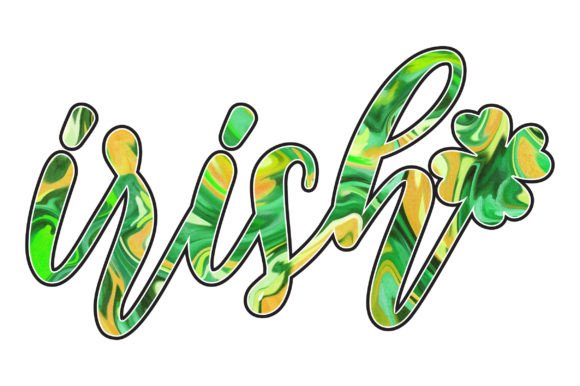
St. Patrick’s Day SVG Sublimation: A Designer’s Review
As an embroidery designer who spends more time digitizing and stitching than browsing, I approach new design assets with a healthy dose of skepticism. We have all been there: downloading a digital embroidery file that looks crisp on the screen but turns into a tangled mess of thread breaks and puckering on the hoop. When I first opened the files for St. Patrick s Day SVG Sublimation, my immediate goal was to determine if this asset could survive the transition from vector graphic to stitched reality. This is not just about aesthetics; it is about functionality for those of us running a craft business or fulfilling custom orders for demanding clients.
First Impressions and Visual Personality
The initial visual impact of this design is clean and versatile. In the world of Crafts and Graphics, simplicity often wins because it translates better across different mediums. The description notes that the design is made with 100% vector shapes, which is a critical detail for anyone who needs to resize artwork without losing quality. For an embroidery project, this means I can scale the design up for a large tote bag or down for a subtle chest logo on a sweatshirt without worrying about pixelation in the reference image.
The mood here is festive but restrained. It does not scream for attention with chaotic elements, which makes it ideal for modern, boutique-style merchandise. Whether you are creating a personalized gift for a family member or stocking your Etsy seller shop with holiday inventory, the layout feels balanced. The shapes are distinct, suggesting that if digitized correctly, the stitch paths would follow logical contours rather than jumping erratically across the fabric.
Real-World Application: From Screen to Stitch
To truly evaluate St. Patrick s Day SVG Sublimation, I imagined a specific real-life scenario: preparing a run of custom embroidered aprons for a local bakery’s March promotion. Aprons are tricky because they are often made of cotton twill or canvas, fabrics that have a noticeable texture. A design that relies too heavily on fine details can get lost in the weave. However, the bold nature of this SVG suggests it would hold up well. The clear lines allow for effective use of satin stitch borders or clean fill stitch areas, ensuring the motif remains visible even from a distance.
Beyond aprons, this design has strong potential for custom apparel. Imagine it stitched onto a heather grey hoodie. The contrast between the thread colors and the fabric would be key. Because the file allows for easy color changes, I can adapt the palette to match specific brand colors or traditional Irish greens and golds. This flexibility is vital for commercial embroidery projects where client branding is non-negotiable. It also works beautifully for baby embroidery items, such as onesies or burp cloths, provided the scale is reduced and the stitch density is adjusted to keep the garment soft against sensitive skin.
Navigating Fabric and Hoop Constraints
While the vector nature of the file is a strength, it requires careful handling during the digitizing phase. One must consider where this design should be used carefully. For instance, placing this on curved surfaces like caps requires a specialized approach. The hoop size limitation on most cap frames means the design must be compact. If the original SVG has intricate corners, these need to be smoothed out in the digitizing software to prevent needle deflection.
Textured fabrics present another challenge. If you are stitching on a waffle-knit towel or a fuzzy fleece blanket, small details vanish. I recommend testing the design on scrap fabric first. Check how the thread colors interact with the fabric texture. On dark fabrics, you might need an underlay stitch that is denser than usual to prevent the background color from peeking through the finished stitches. Conversely, on thin or stretchy fabrics, using the proper stabilizer is non-negotiable. Without adequate support, even a well-digitized design can pucker, ruining the professional look of your handmade product.
Enhancing Product Value and Brand Consistency
Why does the quality of your source file matter? Because it directly impacts customer trust. When a buyer receives a finished product with crisp, clean stitching, they perceive higher value. Sloppy embroidery, caused by poor source art or rushed digitizing, signals amateurism. Using a high-quality asset like St. Patrick s Day SVG Sublimation allows you to maintain brand consistency. If your shop specializes in clean, modern designs, this asset fits that narrative perfectly.
Furthermore, this design aids in creating compelling marketing materials. Before you even stitch a single thread, you can use the PNG or SVG files to create printable mockup images for your online store. This saves time and helps customers visualize the final item, whether it is a tote bag design or a decorative pillow cover. High-quality design assets streamline the entire workflow, from listing creation to production.
Practical Notes for the Embroidery Designer
Before you commit to a large production run, here are my practical recommendations for working with this type of graphic:
- Test on Scrap: Always stitch a sample on the actual fabric you intend to use. This reveals issues with tension and density.
- Check Contrast: View your design in black and white. If the details disappear in grayscale, they will likely get lost in stitching too.
- Review Density: Vector shapes can be dense. Ensure your digitizing software adjusts the stitch density appropriately for the fabric weight.
- Verify Licensing: The product description mentions AI, EPS, SVG, and PNG files. Confirm the license terms before selling finished items. Some creators allow commercial use for physical goods but restrict digital resale.
- Inspect Small Details: If the design includes tiny elements, consider removing them or converting them to simple running stitch outlines to reduce thread breaks.
It is also worth noting that while the file formats provided (AI, EPS, SVG) are excellent for resizing and editing, they are not embroidery files themselves. You will need to digitize these vectors into a machine-readable format like DST or PES. If you are not a digitizer, ensure you have access to someone who can convert these clean vectors into a optimized applique design or standard stitch file. The quality of the final embroidery depends heavily on this conversion process.
Final Verdict for Craft Entrepreneurs
In the competitive landscape of small shop product sales, having reliable, versatile designs is half the battle. St. Patrick s Day SVG Sublimation offers a solid foundation for a variety of projects, from holiday embroidery gifts to year-round embroidered patch collections. Its vector-based construction ensures longevity and adaptability, two traits every serious maker values.
By approaching this design with a critical eye toward fabric choice, stabilizer use, and digitizing technique, you can transform a simple graphic into a high-margin item for your business. Whether you are decorating a single sweatshirt embroidery piece for a friend or producing a batch of kitchen towel sets for a spring sale, this design holds up under scrutiny. Just remember to respect the technical limits of your machine and materials, and let the clean lines of the artwork do the heavy lifting.